Top Security Risks and Challenges Businesses Face in 2026 and How to Solve Them
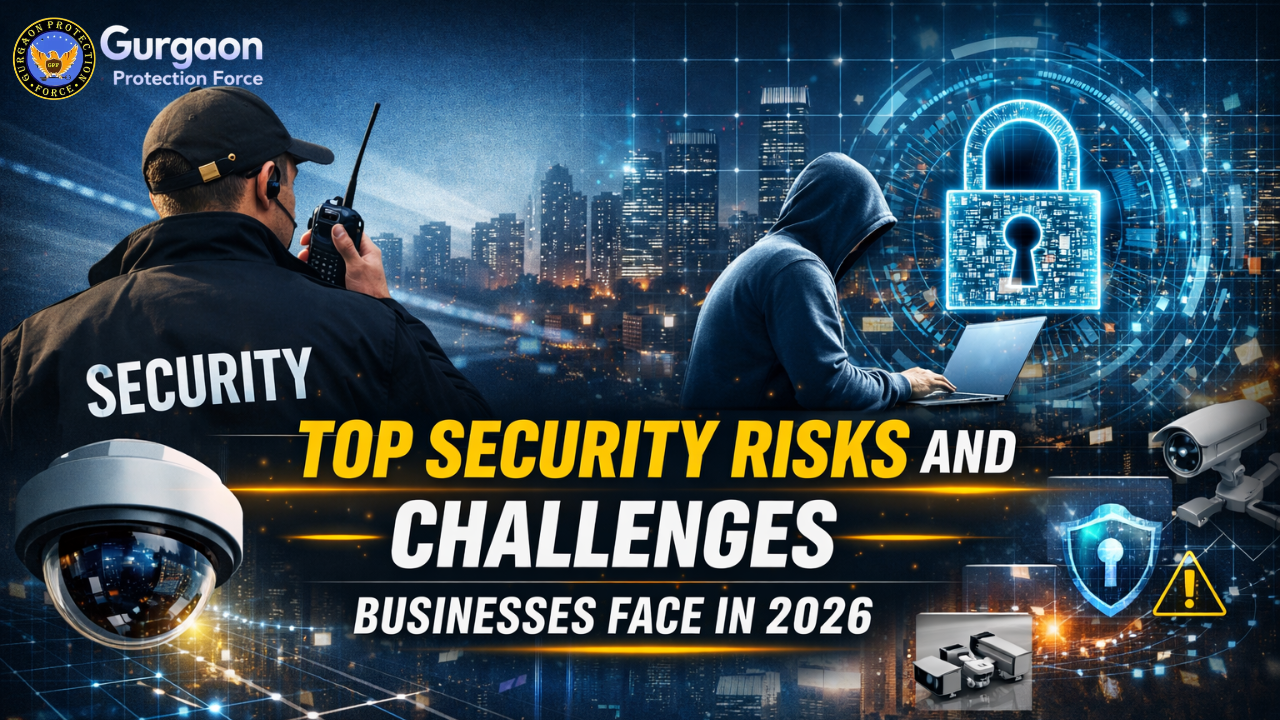
Security is no longer just about guards and cameras. In 2026, businesses are dealing with a wide range of evolving threats that go beyond traditional concerns. From AI-driven attacks to operational gaps, modern organizations must be prepared to handle both physical and digital vulnerabilities. Understanding today’s security risks and challenges is the first step toward building a safe and resilient business environment. Without a proactive approach, even small gaps can lead to serious consequences.
Understanding the Changing Security Landscape
The nature of business security has changed significantly over the years. Earlier, companies mainly focused on theft prevention and access control. Today, the scope is much broader. Organizations now face:
- Intelligent cyber-physical threats
- Insider risks
- Infrastructure failures
- Lack of real-time monitoring
- Operational inefficiencies
These factors make it essential to adopt a more structured and integrated approach to security.
Major Security Risks Businesses Face in 2026
1. AI-Driven Threats
Artificial intelligence has made systems smarter but it has also made attacks more advanced. Automated tools can now scan systems, identify weaknesses, and exploit them quickly. Businesses relying only on traditional setups often struggle to detect such activities in time.
2. Fragmented Security Systems
Many organizations still operate with disconnected teams handling security, housekeeping, and maintenance. This lack of coordination creates gaps that can be easily exploited. When systems are not integrated, response times increase and efficiency decreases.
3. Weak Access Control
Unauthorized entry remains one of the most common issues across offices and commercial spaces. Without proper access management, companies risk both physical and data-related breaches. Managing entry and exit points is critical for maintaining control.
4. Lack of Skilled Security Personnel
Technology alone cannot solve everything. Trained professionals are still essential for monitoring, decision-making, and handling real-time situations. Untrained staff can miss early warning signs, increasing vulnerability.
5. Poor Emergency Preparedness
Many businesses are not fully prepared for emergencies such as fire incidents, system failures, or unexpected threats. Delayed response can lead to higher damage and disruption. Preparedness plays a key role in minimizing impact.
6. Infrastructure and Maintenance Issues
Faulty systems, poor maintenance, and neglected infrastructure can create safety concerns. Electrical failures, damaged surveillance systems, or broken equipment can compromise overall protection. Regular maintenance is essential for smooth operations.
7. Hybrid Cyber-Physical Threats
Modern threats are no longer limited to one area. Physical access can lead to data breaches, and cyberattacks can disrupt physical systems. This combination makes it necessary to have a multi-layered security strategy.
8. Operational Gaps
Day-to-day operations such as visitor handling, documentation, and front desk management also impact security. Poor coordination in these areas can lead to unnoticed risks. Strong operational control helps prevent such issues.
Effective Ways to Solve These Security Challenges
Addressing modern security challenges requires more than just basic surveillance or manpower. Businesses need a well-planned, multi-layered approach that combines technology, trained personnel, and efficient operational systems. Below are some of the most effective ways to overcome these challenges:
1. Implement Advanced Surveillance and Monitoring Systems
Modern surveillance systems are the backbone of any strong security setup. Businesses should invest in high-definition CCTV cameras, real-time monitoring tools, and centralized control systems. These technologies help in:
- Detecting suspicious activities instantly
- Recording and analyzing incidents
- Providing evidence when required
- Enabling faster response to threats
When integrated with smart analytics, these systems can even predict unusual behavior patterns, reducing risks before they escalate.
2. Adopt Integrated Facility Management
One of the most effective ways to eliminate operational gaps is by adopting integrated facility management. Instead of managing different services separately, businesses should combine security, maintenance, housekeeping, and operations under one system. This approach:
- Improves coordination between teams
- Reduces response time during incidents
- Ensures consistent monitoring across all areas
- Enhances overall operational efficiency
A unified system minimizes confusion and strengthens the overall security structure.
3. Strengthen Access Control and Entry Management
Controlling who enters and exits your premises is critical for preventing unauthorized access. Businesses should implement modern access control systems such as biometric authentication, RFID cards, and digital visitor management tools. Key benefits include:
- Better tracking of employee and visitor movement
- Reduced chances of unauthorized entry
- Improved accountability
- Enhanced protection of sensitive areas
Strong access control systems act as the first line of defense against many threats.
4. Invest in Skilled and Trained Security Personnel
While technology is important, human intelligence remains irreplaceable. Trained security personnel play a crucial role in identifying risks, managing situations, and ensuring discipline within the premises. Businesses should focus on:
- Hiring professionally trained guards
- Conducting regular training sessions
- Ensuring background verification
- Maintaining proper supervision
A well-trained team can respond quickly and effectively, reducing the impact of any incident.
5. Develop Strong Emergency Response Plans
Every organization must be prepared to handle unexpected situations such as fire outbreaks, security breaches, or system failures. A clear and well-practiced emergency response plan can significantly reduce damage. This includes:
- Fire safety systems and alarms
- Emergency evacuation plans
- Regular safety drills
- Quick response teams
Preparedness ensures that employees know exactly what to do in critical situations, minimizing confusion and panic.
6. Maintain Infrastructure with Regular Hard Services
Technical maintenance is crucial for safety and reliability, with hard services ensuring the regular inspection and upkeep of essential electrical, plumbing, and HVAC infrastructure. Regular maintenance helps:
- Prevent system failures
- Reduce fire hazards
- Ensure smooth operations
- Extend equipment lifespan
Ignoring infrastructure issues can lead to serious safety concerns.
7. Ensure Clean and Organized Workspaces with Soft Services
Cleanliness and organization directly impact workplace safety. Soft services such as Housekeeping and sanitation services help maintain a healthy and secure environment. Benefits include:
- Reduced health risks
- Improved employee productivity
- Better organization of spaces
- Enhanced overall safety
A well-maintained environment supports better monitoring and control.
8. Improve Operational Efficiency with Business Support Services
Daily operations such as reception management, visitor handling, and documentation play a crucial role in maintaining security. Poor coordination in these areas can lead to unnoticed risks. Business support services help by:
- Managing front desk operations
- Tracking visitors effectively
- Handling documentation securely
- Improving internal coordination
Efficient operations reduce confusion and strengthen overall control.
9. Combine Technology with Human Intelligence
The most effective security strategy is one that combines advanced technology with trained manpower. While technology provides speed and accuracy, human intelligence ensures proper decision-making. This combination:
- Enhances threat detection
- Improves response time
- Reduces dependency on a single system
- Creates a balanced and reliable security framework
10. Choose a Reliable Security Partner
Partnering with an experienced security provider ensures that all aspects of safety are handled professionally. A reliable partner offers customized solutions based on your business needs. They provide:
- Trained personnel
- Advanced equipment
- Continuous monitoring
- Integrated services
This allows businesses to focus on growth while experts manage their security requirements.
Why a Multi-Layered Approach is Essential
In today’s environment, relying on a single method is not enough. Businesses must combine:
- Technology-based monitoring
- Skilled manpower
- Facility management
- Operational control
This layered approach ensures that no aspect of security is overlooked.
Role of Professional Security Providers
Managing all these aspects internally can be challenging. This is where professional service providers come in. GPF (Gurgaon Protection Force Private Limited) offers a complete solution that combines:
- Advanced surveillance systems
- Trained and verified security personnel
- Integrated facility management
- Business support services
Their approach ensures that businesses receive both technological and operational support in one place.
Preparing for the Future
As technology continues to evolve, businesses must stay prepared for new and emerging threats. The focus should be on prevention rather than reaction. Adopting modern systems, training staff, and improving operational efficiency will help organizations stay ahead.
Conclusion
The nature of business security has changed significantly in 2026. Organizations must adapt to new realities by focusing on integrated and proactive strategies. By combining technology, manpower, and management systems, businesses can create a secure and stable environment. Partnering with experienced providers like GPF (Gurgaon Protection Force Private Limited) ensures that all aspects of security are handled effectively, allowing businesses to operate with confidence.
Frequently Asked Questions
What are the biggest security challenges businesses face in 2026?
Businesses face challenges such as AI-driven threats, lack of integrated security systems, inadequate access control, shortage of trained personnel, and rising cyber-physical risks.
How can businesses protect themselves from modern security threats?
Businesses can protect themselves by using advanced surveillance systems, 24/7 monitoring, trained security guards, and integrated facility management services.
Why are integrated security solutions important for businesses?
Integrated security solutions combine physical security, technology, and facility management, ensuring better coordination, reduced risks, and improved overall safety.
What role do security guards play in modern security systems?
Trained security guards provide on-ground protection, manage access control, handle emergencies, and support surveillance systems, making them essential even in the AI era.
How does CCTV monitoring improve business security?
CCTV monitoring enables real-time surveillance, helps detect suspicious activities, and allows quick response to potential threats, improving overall security.
What are soft services in facility management?
Soft services include housekeeping, cleaning, sanitation, and support services that help maintain a clean, safe, and organized workplace environment.
What are hard services in facility management?
Hard services include maintenance of electrical, plumbing, HVAC, and other technical systems that ensure smooth and safe operations of a facility.
How do business support services improve security?
Business support services like front desk management, visitor handling, and documentation help maintain control over daily operations and reduce security risks.
Why is it important to hire a professional security company in Gurgaon?
A professional security company in Gurgaon provides trained personnel, advanced technology, and customized solutions to ensure complete protection for businesses.
How do I choose the best security agency in Gurgaon?
Choose a security agency based on experience, trained staff, technology usage, service reliability, and ability to provide customized security solutions.
What is the benefit of outsourcing security services?
Outsourcing security services helps businesses save costs, access trained professionals, improve efficiency, and focus on core business operations.
Why choose GPF for business security solutions?
GPF (Gurgaon Protection Force Private Limited) offers trained security personnel, advanced surveillance systems, integrated facility management, and reliable business support services for complete protection.